Designers’ Evolving Roles in Government
How can the public sector create a culture that's friendly to human-centered design?
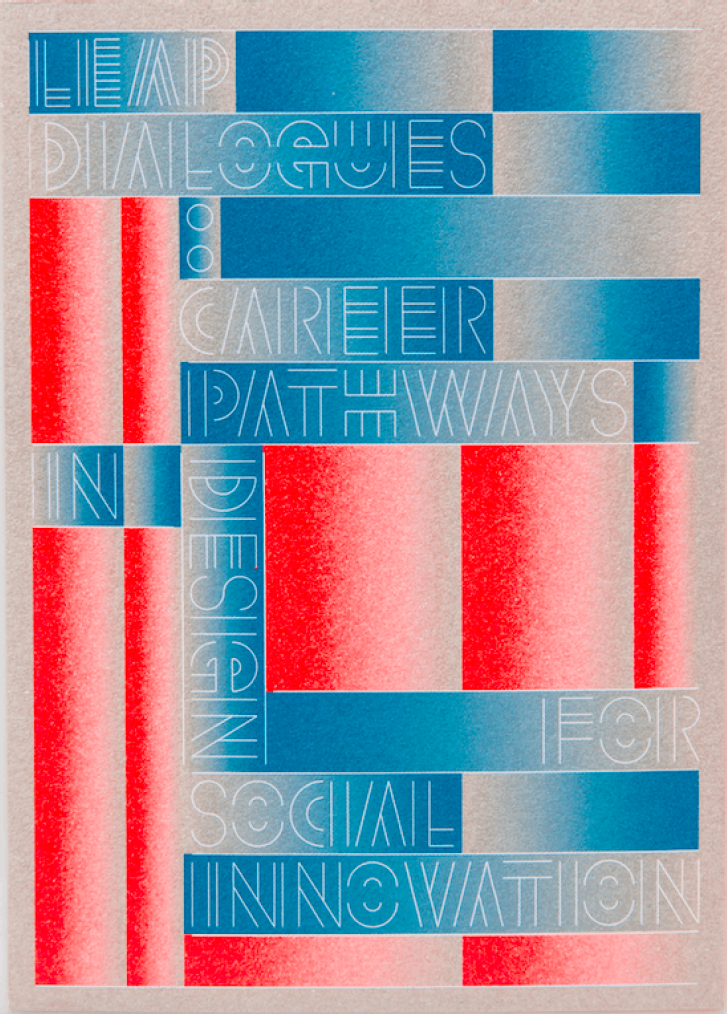
How can the public sector create a culture that's friendly to human-centered design?
Foundations’ internal practices and culture ripple out to grantees in meaningful ways, and it directly accelerates or impedes grantees’ effectiveness.
How funders can listen better, step back, and walk alongside grassroots leadership.
By actively moving into the roles of advocate and partner for grantees, grantmakers can cultivate trusting, transparent relationships that ultimately translate into social impact.

In times of profound turmoil, how can organizations become more resilient and adaptive? A talk from our 2015 Nonprofit Management Institute.

Promising practices for corporates, investors, and entrepreneurs to drive long-term innovation and avoid an investment bust.
As grassroots and “grass-tops” groups come together to create collective impact, funders have the power to foster truly authentic engagement and co-ownership among all.
To develop an ecosystem that is more friendly to entrepreneurship in the MENA region, we need to invest more in human capital.
Relationships take work—and those between grantees and grantmakers are no exception.
We need more risk-takers and innovators who can offer end-to-end support to smallholder farmers facing climate vulnerabilities and other challenges.